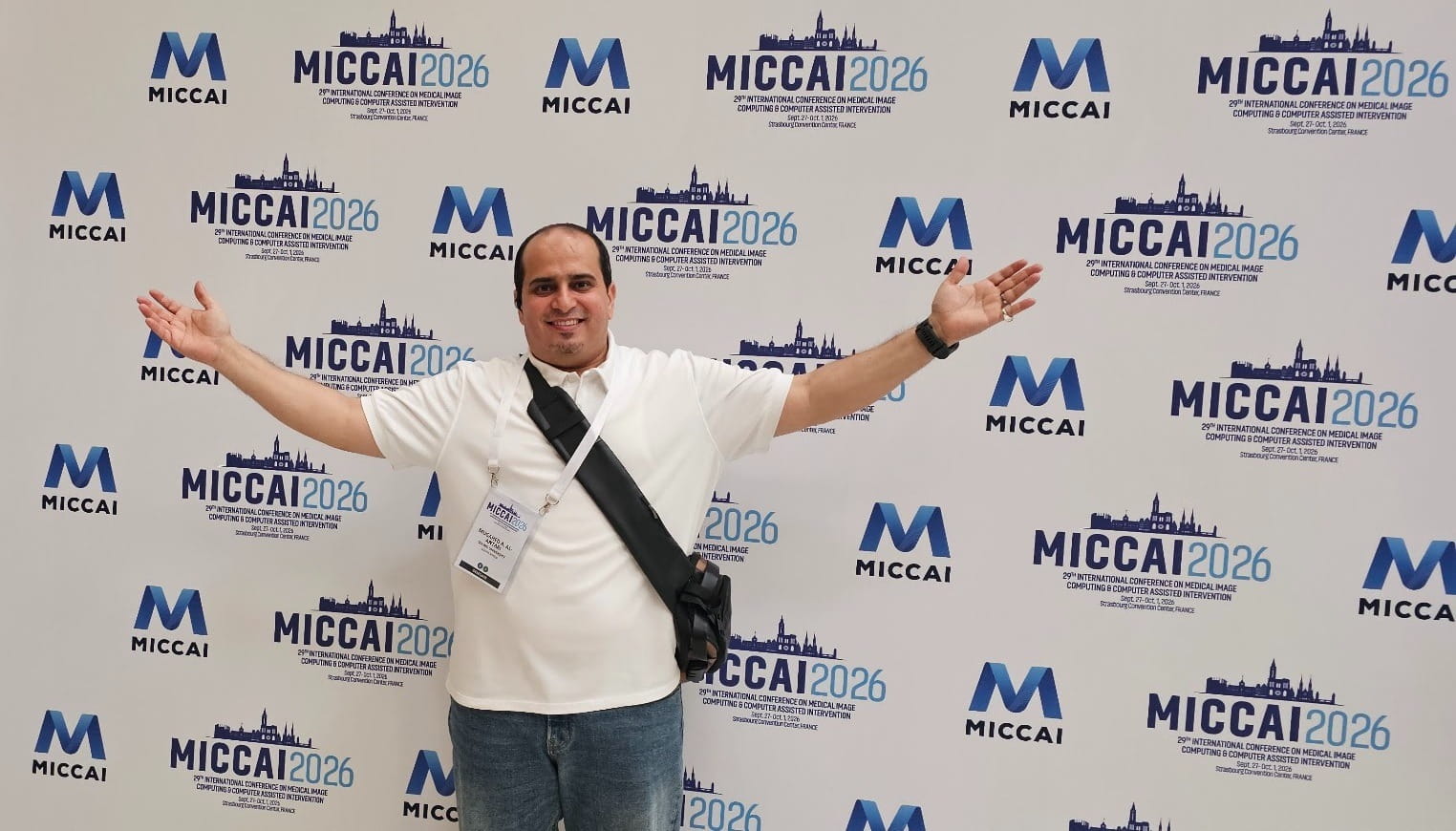
Moving beyond single-task pipelines, this study introduces MRI-CARDAIX, an autonomous multi-agent clinical decision-support framework. The architecture bridges Cine and LGE MRI pipelines, unifying cardiac functional parameter extraction, AHA 17-segment fibrosis localization, and RAG-driven clinical diagnostic reports into an integrated, trustworthy workflow. Co-authors: Walid Al-Haidri, Mukhlis Raza, Anatoly Levchuk, Kseniya Belousova, Maksim Lukin, Yeong Hyeon Gu, Mugahed A. Al-antari, and Ekaterina Brui. (Link)

Addressing clinical data scarcity and privacy bottlenecks, this research proposes a self-supervised, physics-informed generative framework. By conditioning continuous normalizing flows directly on pulse sequence parameters (TR, TE, ESP), the framework synthesizes high-fidelity digital phantoms (T1, T2, and PD maps) from conventional MR acquisitions without requiring paired ground truth.


Department of Artificial Intelligence and Data Science, College of AI Convergence, Sejong University, Seoul 05006, Republic of Korea
05006 서울특별시 광진구 능동로209 대양AI센터 704호
Copyright © 2026 / AISSLab